From Groceries To Cyberattacks: The Impact Of The Iran War
From Groceries To Cyberattacks: How The Iran War Is Affecting The US
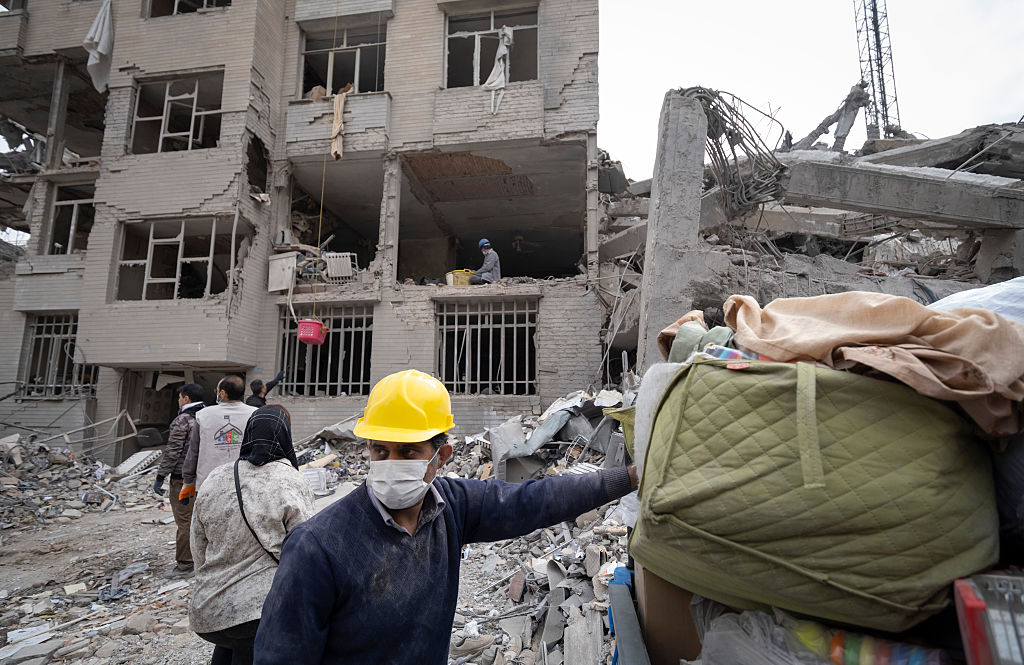
President Donald Trump campaigned on no new wars and bringing down the cost of living. Just over a year into his second term, Trump has started a war with Iran that has significantly increased prices. Gas prices have skyrocketed in recent weeks, with no sign of easing in the near future. While all of us are currently feeling the impact of the war at the gas pump, unfortunately, that impact will soon extend into various aspects of domestic life, including groceries and air travel.
CNN reports that, since businesses are already struggling to absorb the costs of President Donald Trump’s tariffs, they have little room to absorb the rising costs of the Iran war. Those rising fuel costs are having a dramatic impact on transportation costs for groceries and other physical goods. “If we see the persistence of these higher (oil) prices for a period of time, then you’re going to see a persistent cost shock,” Brian Bethune, an economics professor at Boston College, told CNN.


Shipping rates are generally tied to the price of diesel fuel, with FedEx implementing a 21.5% surcharge when diesel prices exceed $3.55 a gallon. As diesel prices are currently averaging around $4.86 a gallon, that surcharge will be imposed on both businesses and home deliveries.
The Iran war will likely affect grocery costs on two fronts. There are the aforementioned shipping costs, which grocery stores will pass on to consumers, and the less shelf-stable a product is, the less a store can stockpile it, making produce, meat, and dairy products particularly vulnerable to price increases. There’s also the fact that the Persian Gulf is a major supplier of fertilizer to the world. Should the Strait of Hormuz remain closed, it will become harder for farmers to fertilize their fields, which will lead to less food, which will then result in, you guessed it, higher costs.
The ongoing DHS shutdown has already led to long lines at TSA checkpoints in various airports. If that wasn’t annoying enough, the New York Times reports that the increase in costs for jet fuel has led to significantly higher ticket prices.
“It’s becoming a lot more expensive to book a ticket and a lot more difficult to find an affordably priced discounted fare,” Henry Harteveldt, an airline industry analyst at the Atmosphere Research Group in San Francisco, said on Monday.
As ticket prices continue to increase, there could be a significant downturn in travel throughout the spring and summer. The impact of this would extend beyond just the airline companies to American cities that rely on seasonal tourism to keep their local economy afloat.
Beyond the economic impact, Iran poses a significant security threat as well. According to NBC News, Handala Team, which cybersecurity experts believe is tied to Iran’s Intelligence Ministry, has claimed responsibility for a cyberattack against Stryker, a Michigan-based medical technology company. On Wednesday, company communications came to a halt as employees realized their work-issued phones had been reset to factory settings.
“They seem to have obtained access to the Microsoft Intune management console. This is a solution for managing corporate devices,” Rafe Pilling, director of threat intelligence at Sophos, a cybersecurity firm that has linked Handala to Iran’s intelligence operations, told NBC News.
One of the growing concerns is that it won’t just be Iran-linked groups conducting cyberattacks, but also other countries with grievances against the United States using the confusion of the war to conduct attacks of their own. So many of our most important systems, from health care to the power grid, are vulnerable to cyberattacks. While so far it’s just this one company, it’s alarming that we’re already facing cyberattacks only two weeks into the war.
As U.S. citizens, it’s easy to feel like wars fought in other countries don’t have a domestic impact. The Iran war is quickly evaporating that sensibility, as it’s been barely two weeks in, and we’re already paying the price in our day-to-day lives. Considering that the Trump administration has given inconsistent answers on when the conflict will end, this might just be the new normal for the immediate future.
SEE ALSO:
First 6 Days Of War On Iran Cost US $11.3B, Pentagon Says
Preliminary Investigation Indicates US Launched Deadly Strike On Iranian School
From Groceries To Cyberattacks: How The Iran War Is Affecting The US was originally published on newsone.com