What goes into creating safe, well-managed spaces for live events and nightlife
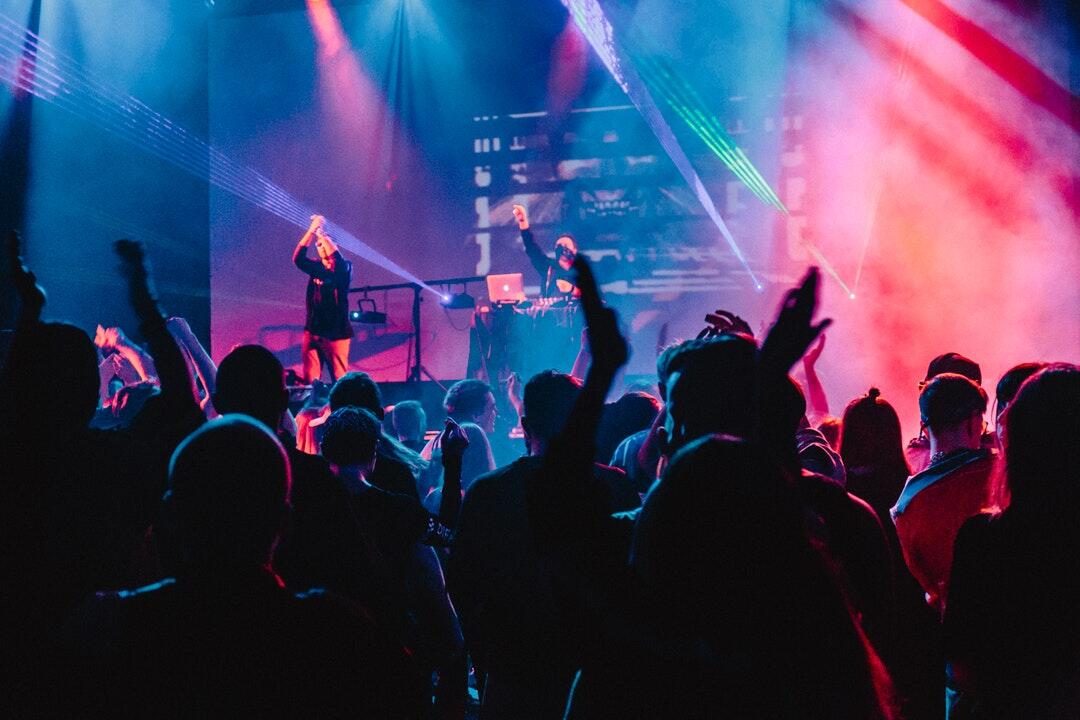
Live events are made safe with comprehensive crowd management, capacity planning, trained security, and emergency preparedness. There are also health, safety, and sanitation standards, as well as clear communication and guest experience design.
Live Nation reports that if they had to choose one type of entertainment for the rest of their lives, 39% of those surveyed would choose live music. There’s a special magic to live events that can’t be replicated, which explains their allure.
There’s much that goes on behind the scenes to ensure that happens, especially regarding live event safety. Below are the safe nightlife practices that are commonly used.
Comprehensive Crowd Management and Capacity Planning
Creating a safe environment starts with understanding how many people a space can realistically and legally hold. This goes beyond simply meeting fire code requirements, too. It involves:
- Designing traffic flow
- Preventing bottlenecks
- Ensuring clear entry and exit points
This includes having trained staff who can monitor density in real time and respond before situations escalate. The following tools can help maintain balance across the venue:
- Timed entry
- Ticket caps
- Designated zones
You can further ensure guests can move safely and confidently with clear signage, barriers, and communication systems.
What About Trained Security and Emergency Preparedness?
A well-managed nightlife or live event space relies heavily on trained personnel who can prevent, identify, and respond to issues quickly. Security should be more than just a visible presence; they need training in de-escalation, conflict resolution, and emergency response.
Another thing that’s important is having a clear emergency plan. It should cover:
- Medical incidents
- Evacuations
- Potential threats
You can significantly improve response times and outcomes by having regular drills and coordination with local emergency services as part of your venue security strategies.
Health, Safety, and Sanitation Standards
Maintaining high health and safety standards is essential for both compliance and guest experience. Event management essentials here include:
- Proper sanitation practices
- Accessible bathrooms
- Regular cleaning of high-touch surfaces
Ventilation and air quality are particularly important, especially in indoor venues during crowded events. Having easy access to water, first aid stations, and medical personnel can also make a critical difference during emergencies.
Having a local locksmith in McHenry Illinois, on call is beneficial, too. This ensures that all entry and exit points are easily accessible, and if they’re not, the locksmith can quickly provide access.
What’s Done About Clear Communication and Guest Experience Design?
Safety and enjoyment go hand in hand, and both depend on clear, consistent communication. Guests should know what to expect before they arrive, including:
- Entry procedures
- Prohibited items
- Venue rules
The following can also help attendees navigate the space easily:
- Signage
- Announcements
- Staff guidance
Thoughtful design contributes to a sense of comfort and control as well, such as lighting, layout, and accessibility features. When guests feel informed and oriented, they’re less likely to panic or make unsafe decisions.
Make Live Events Fun and Safe
A big portion of the population enjoys live events since they have a unique atmosphere. It’s up to the event organizers to ensure things are fun and safe by taking the proper steps to safeguard their guests.
If you’d like to keep learning, then browse the rest of our website now.


You May Also Like