Luxury homes are getting smarter every year
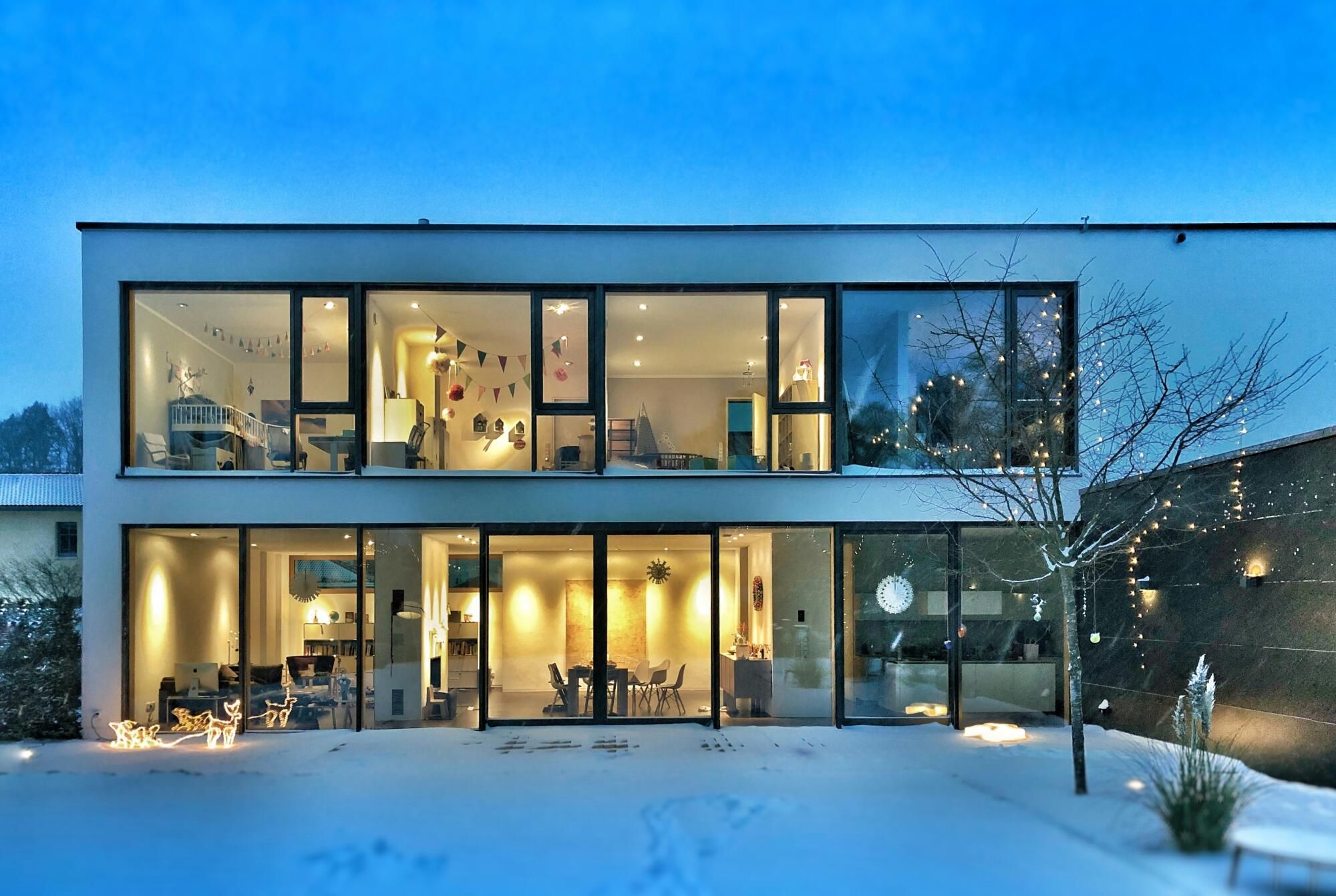
Luxury homes are getting smarter every year as AI-powered home automation is creating a truly personalized living experience and advanced security systems are offering greater peace of mind. Smart sustainability is also becoming a hallmark of luxury living, and wellness technology is redefining everyday comfort.
The EPA says that we spend around 90% of our time indoors, and much of that time is spent in our homes. Feeling safe and comfortable is of the utmost importance, and luxury homes are being created to have the perfect atmosphere. Smart home innovations are making that happen.
AI-Powered Home Automation for a Truly Personalized Living Experience
The future of home automation is already here. Luxury homes are using AI and connected home technology. These smart systems can learn homeowners’ routines and automatically adjust the following throughout the day:
- Lighting
- Temperature
- Entertainment
- Window coverings
Various elements work together to create a home that feels intuitive rather than programmed. Homeowners can also manage these features remotely through mobile apps, so it’s easy to prepare the house before arriving or monitor it while traveling. As AI keeps improving, luxury houses are evolving from collections of smart devices into fully integrated ecosystems.
Are Advanced Security Systems Offering Greater Peace of Mind?
Security is still one of the biggest drivers of smart home innovation, and high-end residences now feature luxury living technology. Electrical contractors can install things like smart locks with biometric authentication, encrypted access codes, and temporary digital keys.
Many homes also integrate:
- Perimeter sensors
- Automated gates
- Real-time alerts
Some can even connect with private security services for rapid emergency response. These systems don’t just prevent break-ins, either. They can also help monitor smoke, water leaks, carbon monoxide, and other hazards.
Smart Sustainability Is Becoming a Hallmark of Luxury Living
Modern luxury is defined by efficiency as much as extravagance. High-tech luxury homes have smart energy management systems that help homeowners reduce waste without compromising comfort, as they can automatically adjust:
- Heating
- Cooling
- Lighting
- Appliance usage
In addition, solar panels, battery storage systems, and electric vehicle chargers are often integrated into centralized home management platforms that can optimize energy consumption throughout the day. These technologies not only lower operating costs, but they also align with growing consumer demand for environmentally responsible homes.
How Is Wellness Technology Redefining Everyday Comfort?
Modern luxury residences are now being designed to support residents’ physical and mental well-being through integrated wellness technology. Smart lighting systems mimic natural daylight cycles to promote healthier sleep patterns and improve daily productivity.
In addition to climate control, some homes feature:
- Intelligent water filtration
- Touchless fixtures
- Connected fitness spaces
They may also have dedicated wellness rooms that include meditation settings, customizable soundscapes, and automated aromatherapy systems. Even kitchens are becoming smarter, with connected appliances that assist with meal preparation and food storage.
Luxury Homes Are Getting Smarter
The point of luxury homes is to be comfortable, and homeowners are achieving that by leveraging technology. What’s great is that tech can help them reduce their carbon footprint, too, so it’s a win-win situation.
Take a look at our other pages if you want to keep learning.


You May Also Like