Americans are keeping older cars longer and what it means for safety
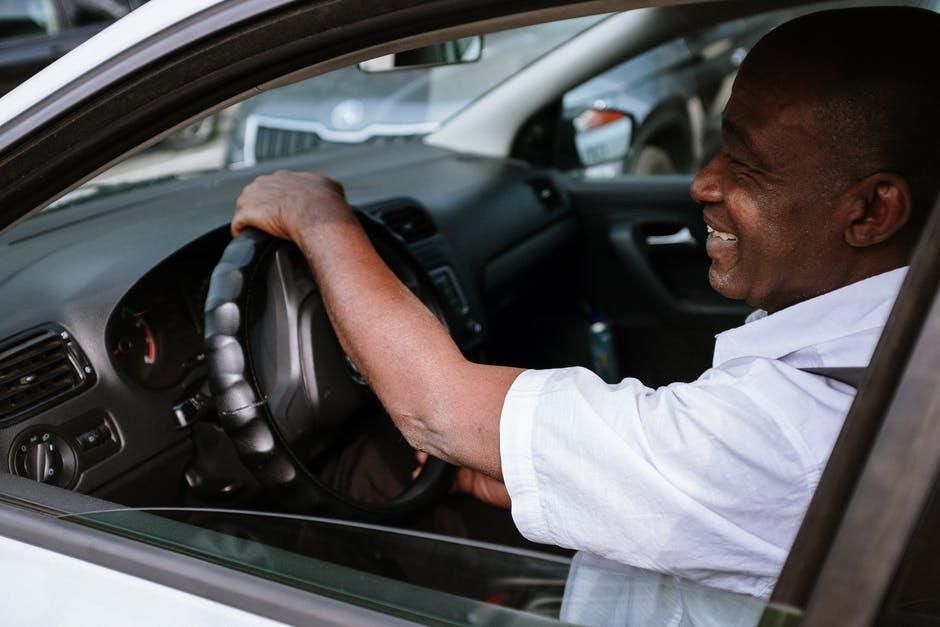
Americans are keeping older cars longer as new-car prices climb and durability improves, but an aging fleet comes with real road safety concerns that newer cars were specifically designed to address.
The average age of vehicles on US roads hit a record 12.8 years in 2025, according to S&P Global Mobility, up from 9.6 years in 2002. Millions of American drivers are choosing to keep their vehicles longer, and the reasons run deeper than economics alone.
Automotive safety trends tell a complicated story here. A car that was new in 2012 predates an entire generation of crash management technology that has meaningfully changed survival outcomes in serious accidents.
Why Are Americans Keeping Cars Longer?
New vehicle prices have climbed steadily, with the average transaction price sitting around $50,000 in mid 2026 (Kelly Blue Book), and used vehicle prices followed. The traditional trade-in cycle has become less attractive than it once was.
Modern vehicles have also become more durable. A well-maintained car built in the last fifteen years can reasonably reach 200,000 miles, and aging car maintenance costs less than monthly payments on a new vehicle.
When budgets tighten, a paid-off vehicle with a known repair history is often the most rational choice available.
Are Older Cars a Safety Risk?
A vehicle’s age tells only part of the safety story. A well-maintained older car with no structural damage is a different proposition from one with worn brakes, degraded tires, and deferred repairs. The safety concern with an aging fleet centers on what older vehicles are missing, not just what breaks down.
The impact of older cars on road safety shows up clearly when comparing feature sets. A car built 10 years ago lacks features now standard on nearly every new vehicle:
- Automatic emergency braking, which has reduced rear-end crashes
- Forward collision warnings that alert drivers before impact becomes unavoidable
- Lane departure warnings that catch inattentive driving before it becomes a lane change
- Blind-spot monitoring that covers the areas mirrors can’t
- Backup cameras, which only became federally mandated in 2018
- Advanced airbag systems and improved crumple zone engineering
Brake pads, tires, and suspension all degrade over time, and deferred maintenance on any of them changes the math in an emergency stop.
When an Older Vehicle Is Involved in a Crash
A crash involving an older vehicle raises questions that don’t always come up in newer car accidents. Whether the vehicle’s condition contributed to injury severity, whether maintenance was deferred, and whether a defective part played a role all affect liability and outcomes.
Brooklyn auto accident attorneys understand how vehicle age and condition factor into a crash claim and what evidence needs to be preserved to build a complete case.
Older Cars Are Here to Stay, and So Are the Risks
Older cars aren’t going anywhere. High prices and economic pressure will keep older cars on the road for years, and the road safety concerns they raise will keep growing as the difference in safety between a 2012 vehicle and a 2025 one widens with every new model year.
Check out our website for more on the informative and entertaining stories.


You May Also Like