WNBA Explores Player Eligibility Changes for 2027 Draft
WNBA Addresses Player Eligibility as Two Former NBA Players Say They Plan to Enter 2027 Draft
- WNBA commissioner addressing transgender athlete eligibility, seeking to balance fairness and league values
- Existing CBA language on 'women' players lacks specifics on gender identity, sparking debate
- WNBA players, coaches, and union express diverse views on transgender participation in women's sports
WNBA Commissioner Cathy Engelbert has reportedly sent a memo to league teams addressing the growing conversation surrounding transgender athletes and eligibility in women’s professional basketball. As a result, WNBA transgender eligibility has become a major topic in the sports world.
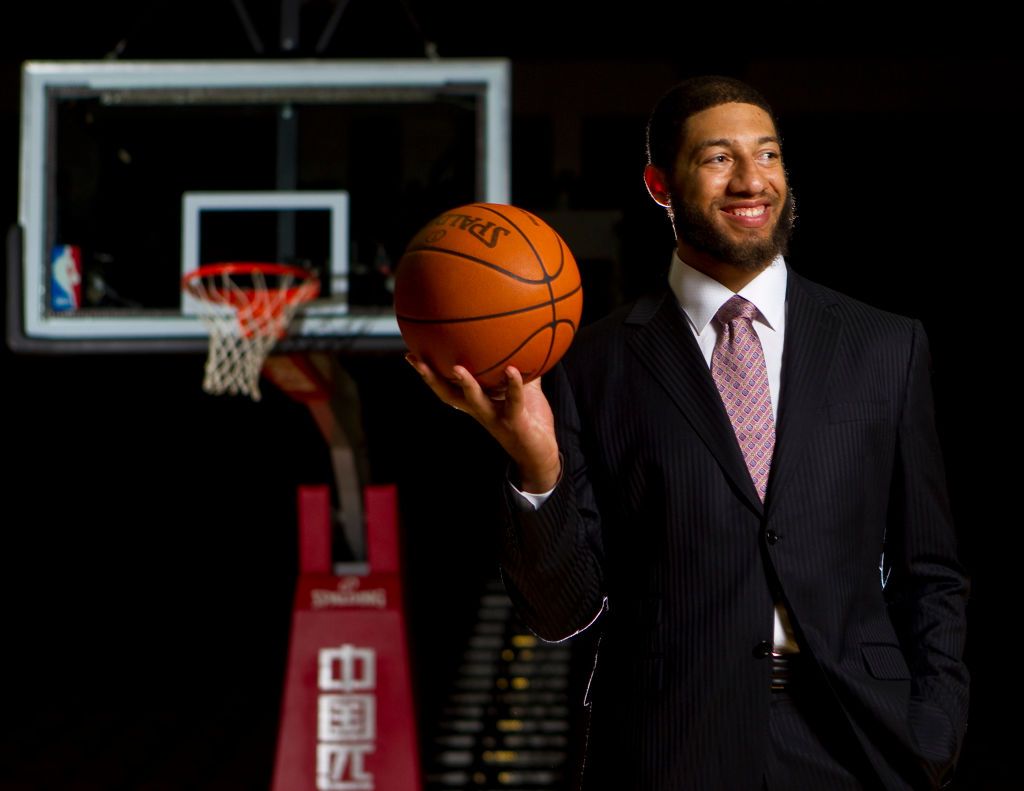
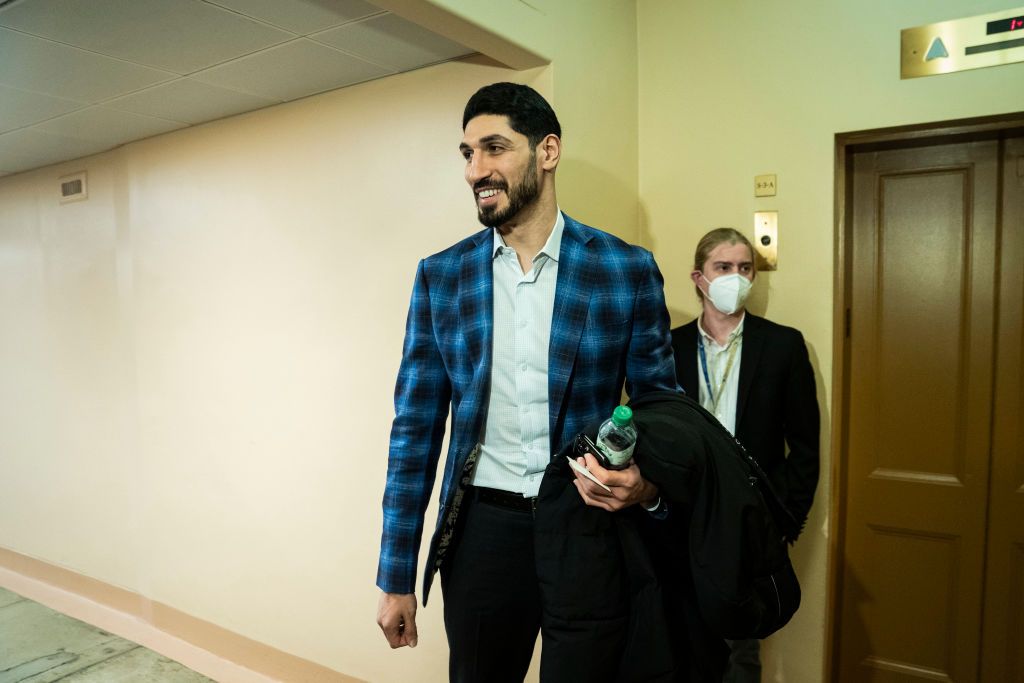
The discussion gained additional attention after former NBA players Enes Kanter Freedom and Royce White publicly announced that they intend to declare themselves eligible for the 2027 WNBA Draft.
According to the report, Engelbert told teams the issue would be discussed during an upcoming meeting involving team presidents and general managers. In addition, she acknowledged that league officials have received numerous questions about transgender participation. She said the WNBA intends to approach the subject thoughtfully. At the same time, it will consider competitive fairness and the league’s values. Therefore, the topic of WNBA transgender eligibility is expected to be a central focus of these discussions.
One key issue involves language in the WNBA’s collective bargaining agreement. Notably, the reported wording states that only players who are women are eligible to compete in the league. However, the article says the agreement does not provide more specific language regarding gender identity or sex assigned at birth. With this in mind, there is growing debate about WNBA transgender eligibility. The conversation focuses on how it should be defined going forward.
Freedom announced that he intends to declare for the April 2027 draft, arguing that the WNBA should apply its existing eligibility standards equally. He said his announcement was not intended as a joke or an attack on any individual or community. Instead, he said it was a challenge to how the current guidelines are interpreted.
White later made a similar announcement. He told Fox News Digital that he intends to identify as transgender for the purpose of professional basketball and plans to declare for the 2027 draft.
Their announcements come as the larger debate surrounding transgender participation in women’s sports continues nationally.
Within the WNBA, players and coaches have expressed different perspectives. Indiana Fever player Sophie Cunningham has publicly supported restrictions on transgender women competing in women’s sports. Others, including Seattle Storm center Stefanie Dolson and Minnesota Lynx coach Cheryl Reeve, have voiced support for transgender athletes. Ultimately, the policy debate around WNBA transgender eligibility impacts both players and the league as a whole.
The WNBA Players Association has also weighed in, emphasizing equity, diversity and inclusion while stating that players should not be turned into political tools. Furthermore, the union condemned hatred and mistreatment directed toward transgender people. The union also acknowledged that difficult conversations surrounding the issue will continue.
Engelbert described the subject as complicated and said the league plans to continue discussions with players, the players association and team leadership.
For now, the situation raises a major question the WNBA may have to address before the 2027 draft: exactly how its eligibility requirements define who can compete in the league. In summary, the ongoing conversations are shaping the future of WNBA transgender eligibility policy.


You May Also Like





