Saucy Santana Weighs In On WNBA Transgender Debate
Saucy Santana Says “Trans Women Are Women” While Weighing In on WNBA Debate
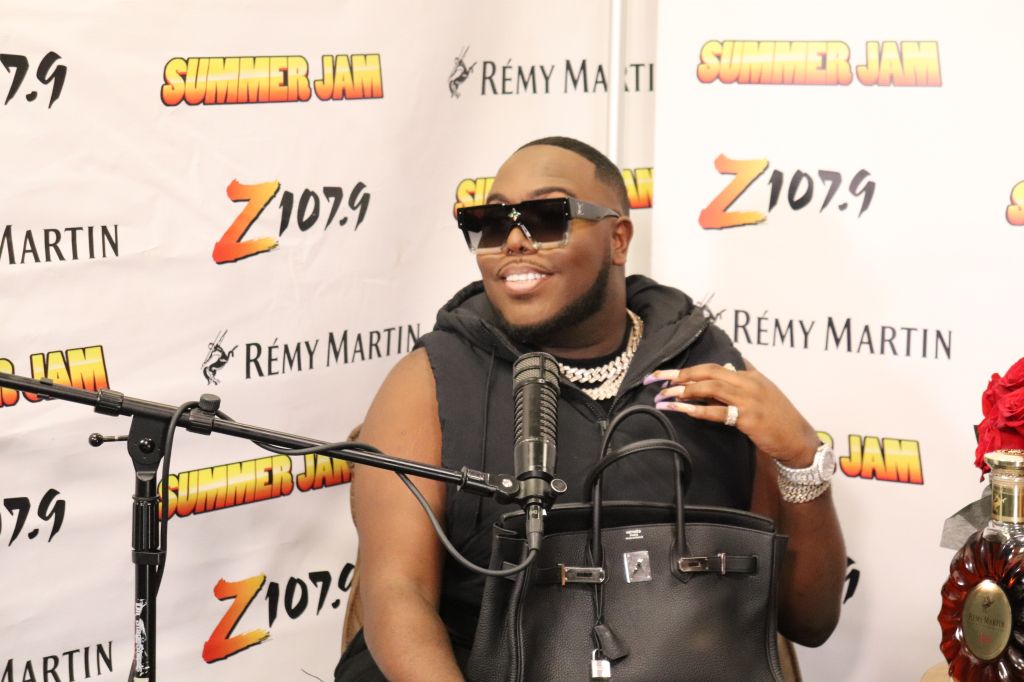
Saucy Santana has entered the conversation surrounding transgender women potentially competing in the WNBA.
While speaking with TMZ in New York City, the rapper was asked for his thoughts about transgender women participating in women’s professional sports.
Santana made his position clear, telling the outlet that he believes “trans women are women.”
But when specifically asked whether transgender women should be eligible to play in the WNBA, Santana also acknowledged that the final decision isn’t his to make.
Santana Says the WNBA Should Set the Rules
Santana said eligibility should ultimately be determined by the WNBA and whatever rules the league establishes for its players.
The issue has become increasingly complicated as questions continue surrounding exactly how the league’s eligibility standards apply to transgender athletes.
Based on Santana’s comments, however, if the decision were entirely up to him, transgender women would have an opportunity to compete.
Former NBA Players Added Fuel to the Debate
The discussion intensified after former NBA players Enes Kanter Freedom and Royce White announced intentions to pursue eligibility for the 2027 WNBA Draft. They did so while claiming transgender status.
Their announcements were framed as challenges to the league’s policies surrounding gender and eligibility. This was different from conventional attempts to begin WNBA careers.
The WNBA subsequently pushed back against what it characterized as “bad-faith efforts” surrounding the issue.
That controversy has pushed a much larger conversation into the spotlight involving gender identity, competitive fairness, and inclusion. It also includes how professional sports leagues should establish eligibility standards.
The WNBA Faces a Bigger Policy Question
Santana’s comments highlight one side of a debate that extends well beyond basketball.
Supporters of transgender inclusion argue that transgender women should be recognized and treated as women, including when participating in sports.
Others argue that professional athletic organizations must also consider questions involving competitive fairness and physiological differences when establishing eligibility requirements.
Ultimately, Santana believes those decisions belong to the league.
With the issue receiving increasing attention from athletes, entertainers, fans and critics, the WNBA could face growing pressure. Specifically, there may be pressure to clearly define exactly how its eligibility rules apply going forward.


You May Also Like