Check out these ways to prepare your warehouse operations for peak season demand
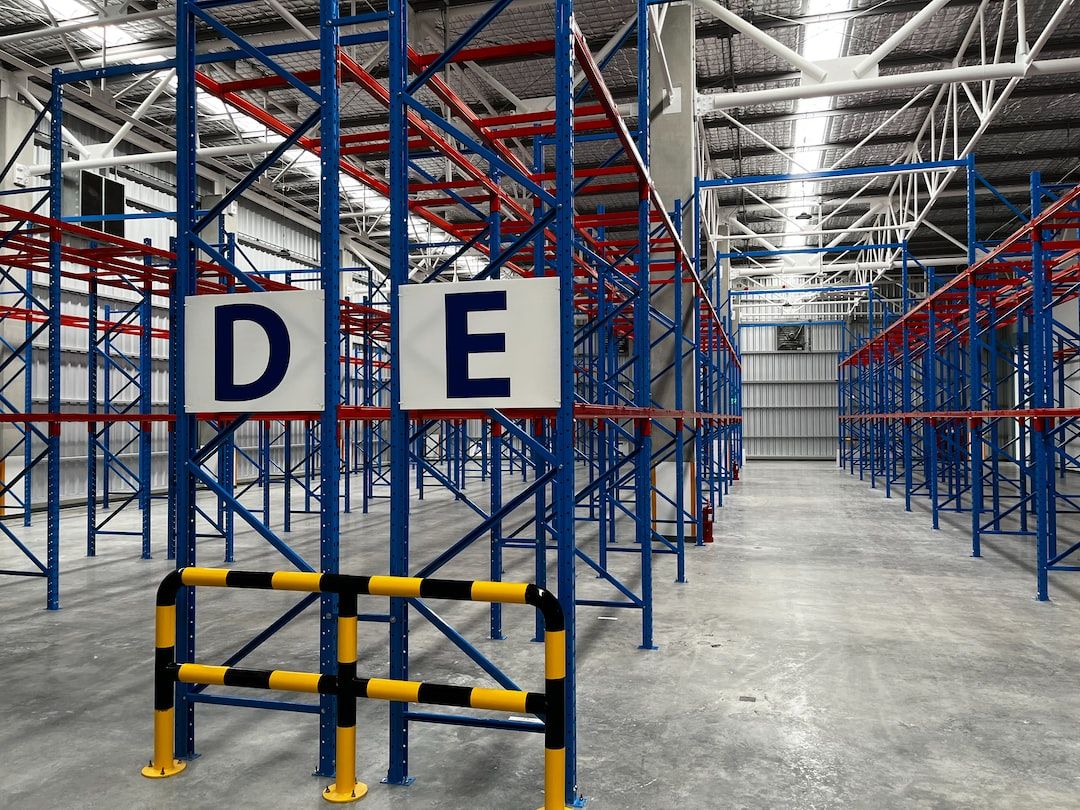
Preparing warehouse operations for peak season demand starts 90 to 120 days out, with an accurate forecast, freed-up storage space, locked-in labor and equipment, and systems tested under load before volume climbs. Facilities that follow this sequence turn a chaotic rush into a scheduled operation.
The National Retail Federation projects U.S. retail sales will grow 4.4% this year to $5.6 trillion, on the heels of a 2025 holiday season that topped $1 trillion in sales for the first time. Every point of that growth has to move through a warehouse before it reaches a customer’s door, and peak season is when that pressure hits hardest.
How Should You Prepare Warehouse Operations for Peak Season Demand?
Most warehouses wait too long to start preparing, and that habit usually shows up in November. A team that builds its forecast 90 to 120 days out can spot peak demand trends before they turn into daily problems.
Pull three years of order data and build a rolling six-week forecast. This step gives the rest of the plan room to work.
Free Up Space and Optimize Storage Before Inventory Arrives
Storage capacity often runs out before labor does, so this tends to be the first bottleneck teams hit. Walk your facility, count what you actually have in reserve, forward pick, and staging areas, then compare that to your projected seasonal inventory.
Slow-moving stock takes up space that new products need, so clearing it out now helps later. Racking suppliers like verticalstorageusa.com publish guides on stacking and slotting to help fit more into existing space.
A few storage checks worth running before peak hits:
- Reserve locations rated for current pallet height and weight
- Forward pick faces cleared of slow-moving SKUs
- Overflow space confirmed with a backup vendor
Is Your Workforce Ready to Flex When Demand Spikes?
Labor plans usually break down around week two of a rush. Cross-trained staff can move to wherever the bottleneck is that day, which matters more than raw headcount.
Hire temporary workers early and start training before the rush begins. A team that has practiced the surge tends to stay calm.
Harden Equipment, Systems, and Carrier Capacity
Old equipment tends to fail at the worst possible time, so a health check now can prevent a shutdown later. Warehouse software actually needs to prove it can handle a spike in order processing before real orders start piling up. Carrier capacity gets tight fast during peak, so locking in rates and lanes early protects your supply chain readiness.
A few checks worth running before volume climbs:
- Conveyor and sorter parts tested for wear
- Software stress test under simulated peak load
- Backup carrier lanes confirmed in writing
Protect Safety and Streamline Reverse Logistics
Rushed teams make more mistakes, so safety checks matter just as much during peak as any other week. Clear aisles, working lockout/tagout gear, and rested employees keep injuries down when the pace picks up. Returns pile up fast after peak, so a dedicated staging area keeps them from crowding out fresh stock.
Turning Peak Season Chaos Into a Repeatable Plan
Peak season rewards early preparation. Warehouse operations that start with a data-driven forecast, then move through space, labor, equipment, and safety in sequence, absorb sudden volume without breaking down.
For more insights like this, browse the rest of our website.


You May Also Like